India’s paper manufacturing sector is at a crossroads. On one hand, it’s the backbone of the economy, supporting everything from education to packaging. On the other hand, it is grappling with soaring energy costs, unreliable grid power, and mounting pressure to reduce its carbon footprint. How can an industry so vital stay profitable while aligning with India’s net-zero goals? The answer lies in reimagining energy management through Battery Energy Storage Systems (BESS).
Energy-Intensive by Nature, Pressured by Sustainability Goals
Paper mills consume vast amounts of electricity and heat. From pulping to drying, every step is energy-hungry. With coal and grid power prices fluctuating unpredictably, operational costs remain volatile. In addition to this, the government’s stricter ESG (Environmental, Social, and Governance) mandates and consumer demand for sustainable products have made the pressure palpable.
Balancing Profitability with Environmental Responsibility
Can paper manufacturers cut costs and emissions without sacrificing output? Traditionally, this seemed like a zero-sum game. However, advancements in battery energy storage systems are rewriting the rules. BESS offers a win-win solution by storing energy when it’s abundant and deploying it strategically.
Understanding BESS – Battery Energy Storage System
At its core, a (BESS) Battery Energy Storage System is more than just a backup power source—it’s a strategic asset for industries drowning in energy uncertainty. Think of it as a bridge between today’s energy challenges and tomorrow’s sustainable goals. For paper manufacturers, this technology isn’t just about storing electricity; it’s about transforming how energy is managed, used, and optimised throughout every production stage.
- What Is BESS and How Does It Work?
The BESS, i.e. battery energy storage system, is a bank of high-capacity batteries that store electrical energy for later use. Think of it as a power reservoir: it charges during off-peak hours or periods of low demand and discharges during peak hours or grid outages. For industries, this means smoother operations, reduced costs, and a smaller carbon footprint.
- Why BESS Is a Game-Changer for Industrial Energy Use
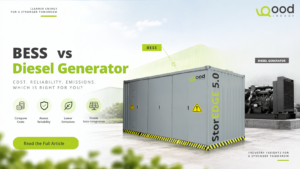
Unlike traditional diesel generators, BESS operates silently, emits zero pollutants, and responds to load changes instantly. For paper mills, this translates to uninterrupted production, reduced dependency on fossil fuels, and compliance with decarbonisation targets.
Challenges Faced by the Paper Industry Before BESS
Before battery energy storage systems entered the scene, paper manufacturers faced three critical hurdles:
- High Tariffs During Peak Hours
Electricity demand surges during peak hours, driving up grid costs and forcing paper mills to absorb steep tariffs that eat into their profits. Battery energy storage systems in India-based industries act as a financial buffer, storing low-cost off-peak energy for use when rates spike. This slashes operational expenses without cutting production, turning volatile bills into predictable costs—a win for both balance sheets and sustainability goals.
- Grid Instability
Frequent power outages and voltage fluctuations disrupt paper manufacturing, leading to halted machinery, wasted materials, and delays. A battery energy storage system provides instant, grid-independent backup power, ensuring seamless operations during blackouts. By eliminating reliance on erratic grids, mills maintain productivity. Battery energy storage in hospitals ensures life-saving equipment stays operational during crises.
- Carbon Penalties
Strict emission norms penalise industries that rely on fossil fuels. Paper mills using diesel generators face fines and reputational risks. BESS India solutions replace polluting energy sources with clean storage, drastically cutting emissions. This avoids penalties while boosting ESG credentials—a critical edge in India’s push for greener industries. Adopting battery energy storage systems nationwide isn’t just about compliance but competitive foresight.
These challenges aren’t unique to paper mills. Other sectors, such as healthcare, rely on hospitals’ battery energy storage solutions to ensure critical operations never halt. Similarly, BESS empowers industries to take control of their energy needs.
The Turning Point: Integrating BESS into Paper Manufacturing
Adopting BESS India solutions isn’t just about installing batteries—it’s about rethinking energy strategy. Here’s how it works in practice:
- Load Shifting
Paper mills can charge BESS during off-peak hours when electricity demand and tariffs are low. Manufacturers avoid steep tariffs by deploying this stored energy during expensive peak periods while maintaining uninterrupted operations. It’s like buying bulk power at a discount and using it strategically—turning energy into a cost-saving tool rather than a liability.
- Backup Power
Grid outages no longer mean halted production or reliance on diesel generators. BESS provides instant, silent backup power, ensuring that machinery continues to operate even during power outages. This eliminates diesel costs, reduces noise pollution, and ensures deadlines are met without compromising sustainability—a clean, reliable safety net for mission-critical processes.
- Demand Charge Reduction
Utilities bill industries based on their highest energy draw during peak periods. BESS flattens these spikes by supplementing grid power with stored energy, ensuring consistent consumption levels. This lowers peak demand penalties, stabilises operational costs, and turns volatile energy bills into predictable and manageable expenses—aligning fiscal discipline with eco-efficiency.
Companies like Good Enough Energy Pvt. Ltd. specialise in designing battery energy storage systems tailored to India’s industrial needs. Their solutions focus on seamless integration, real-time monitoring, and maximising energy efficiency without disrupting operations.
Tangible Benefits Realised Post-BESS Implementation
Let’s cut to the chase: What’s the ROI of a battery energy storage system?
- Significant Reduction in Carbon Emissions
- Mills can slash indirect emissions by up to 40% by optimising energy use and reducing reliance on fossil fuels.
- Improved Net Profit Margins and Cost Savings
| Metric | Pre-BESS | Post-BESS |
| Peak Hour Tariff Savings | High Costs | Optimised Utilisation |
| Backup Energy Source | Diesel Generators | Zero-Emission BESS |
| Grid Dependency | Frequent Penalties | Reduced Penalties |
Enhanced Energy Resilience and Load Shifting
No more downtime during grid failures. Stored energy ensures production continuity while load-shifting capabilities minimise operational costs.
Compliance with ESG and Decarbonization Mandates
With BESS India solutions, paper mills meet regulatory requirements and position themselves as sustainability leaders—a key differentiator in eco-conscious markets.
Unlocking the Full Potential of Energy Storage
The paper industry’s energy challenges won’t vanish overnight, but battery energy storage systems in India offer a pragmatic path forward. Manufacturers can future-proof production from grid vulnerabilities by decoupling production while meeting sustainability goals.
And here’s the best part: You don’t need to navigate this transition alone. Good Enough Energy Pvt. Ltd. delivers cutting-edge BESS technology designed for India’s industrial landscape. Their expertise in energy storage integration ensures maximum efficiency, cost savings, and compliance—all without compromising productivity. So, why wait? The hidden value in your energy strategy is just a battery energy storage system away.